There's no known safe level of radon. The EPA recommends fixing any home at 4.0 pCi/L or higher and considering fixing between 2.0 and 4.0. The World Health Organization sets a lower reference level of 2.7 pCi/L.
Whatever your number, we'll help you understand it and bring it down. We design and install certified mitigation systems across Middle Tennessee, and every system is verified with a post-mitigation test. NRPP-certified and locally owned.
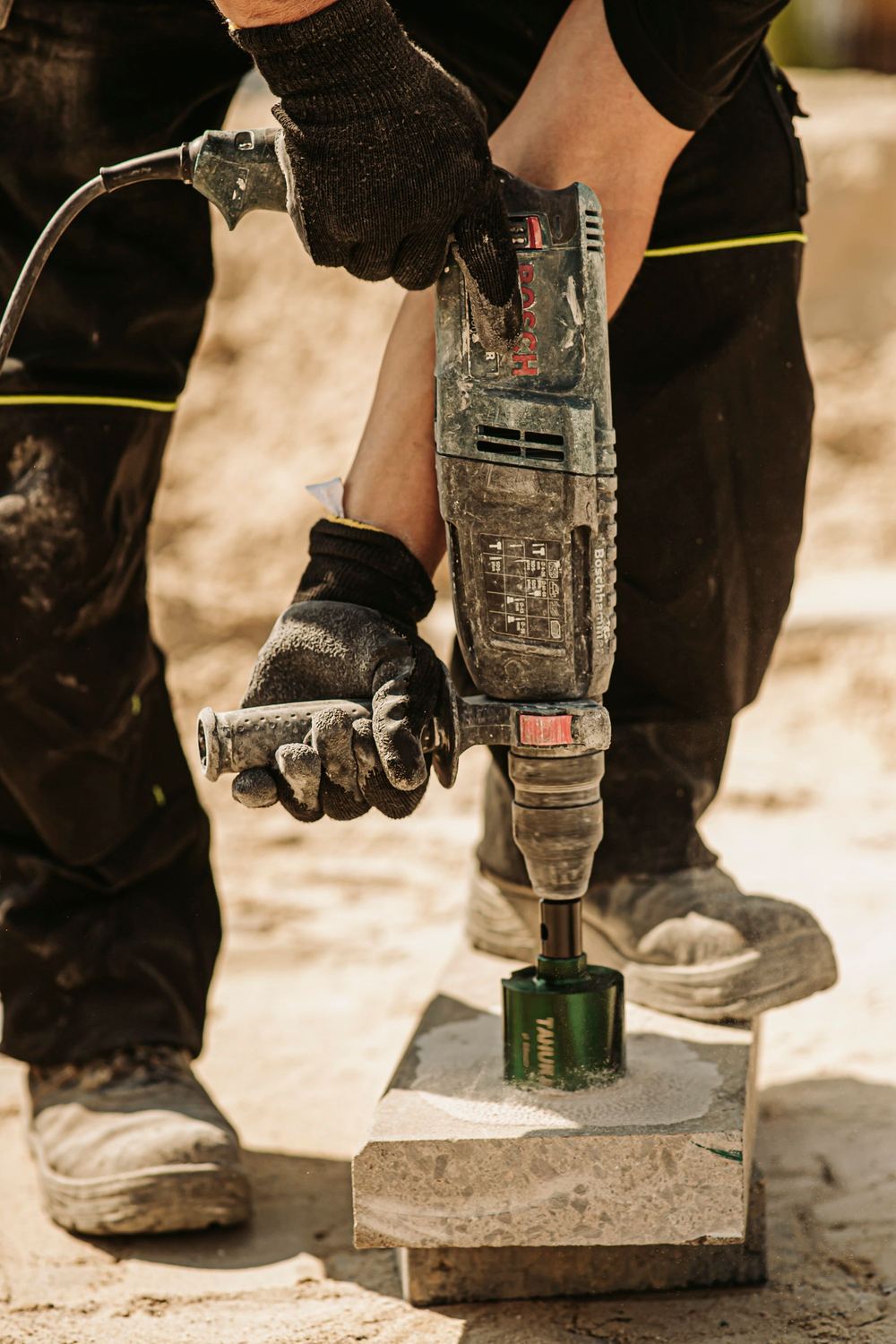

A tailored system designed for your foundation and verified by a post-mitigation test:
The system protects your family's air, so proof matters:
See our customer reviews and the EPA-recognized standards of practice

Most systems range from $750 to $2,500. Your price depends on your foundation and layout, and you'll get a written proposal before any work begins.
Usually about a day to a day and a half. Levels typically drop within a day or two after that, confirmed by a post-mitigation test.
Yes. A standard system brings radon below the EPA action level in the vast majority of homes. Because every home is unique, some need extra steps, such as an additional suction point or more sealing, to reach that goal. A post-mitigation test confirms your results.
No. A correctly sized fan runs quietly and is mounted out of the way, typically outside or in the attic.
Yes. The EPA says any home can have a radon problem, new or old, well-sealed or drafty, with or without a basement. Slab, basement and crawl space homes can all test high, so we design a tailored system for each, including a sealed vapor barrier with sub-membrane suction for crawl spaces.
Often not on its own. The right fan turns a passive pipe into an effective active system.
Your post-mitigation test should be done between 24 hours and 30 days after installation. After that, retest every two years and after any major renovation or foundation work.
A fan keeps the air under your foundation at lower pressure, so radon is vented outside instead of entering your home. Systems can reduce radon levels by up to 99%.