AARST-NRPP certifiedLicensed and insuredLocally ownedServing Nashville and Middle Tennessee
(615) 260-6123
Active Radon Mitigation
Serving Nashville and Middle Tennessee

Vapor Intrusion Mitigation in Middle Tennessee

When contaminated soil or groundwater sits under a building, vapors can rise through the foundation into the air inside, the same way radon does.

We apply the same proven sub-slab technology used for radon to vapor intrusion projects across Middle Tennessee.
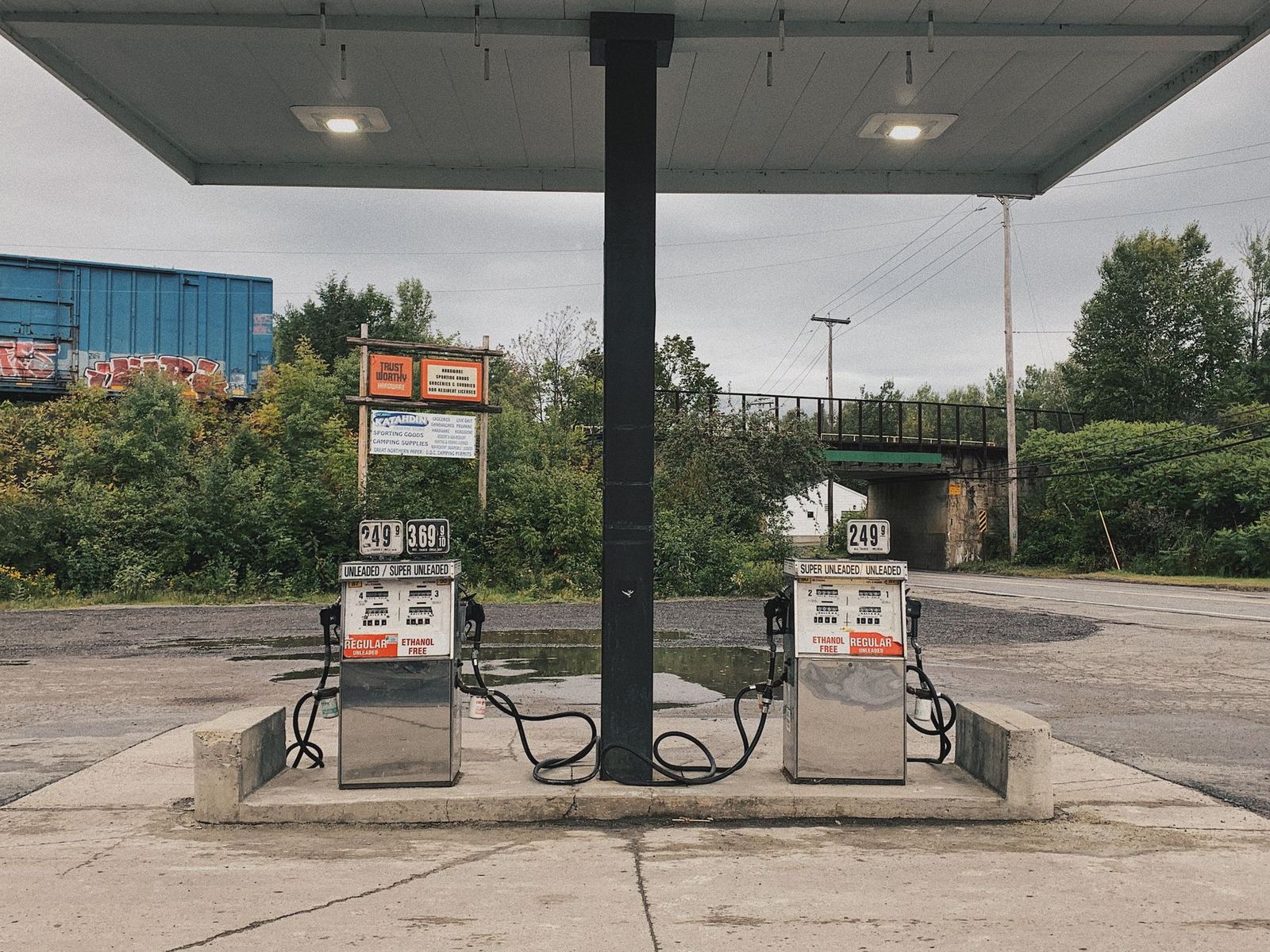
Gas station pumps under a canopy
Proven sub-slab technologyused for radon
90% or moreIndoor vapor levels
Phase I or Phase IIEnvironmental site assessment
Sub-slabDepressurization
Commercial laundry machines in a cleaning business

Vapor Intrusion Mitigation That Keeps Soil Gases Out

A system that intercepts vapors below the slab and vents them outside:

  • Sub-slab depressurization, the most widely used active method
  • Sealed vapor barriers over crawl space and dirt floors
  • Well-designed systems can reduce indoor vapor levels by 90% or more
  • Tailored to your building and the vapors involved

The Soil Gases a Vapor Intrusion System Addresses

Near former industrial sites, dry cleaners, gas stations, or landfills, you could be dealing with more than radon:

Radon, the most common natural soil gas

Volatile organic compounds (VOCs) from contaminated soil or groundwater

Invisible vapors that require testing to detect

Because these gases share the same entry pathway, one system can often address them together

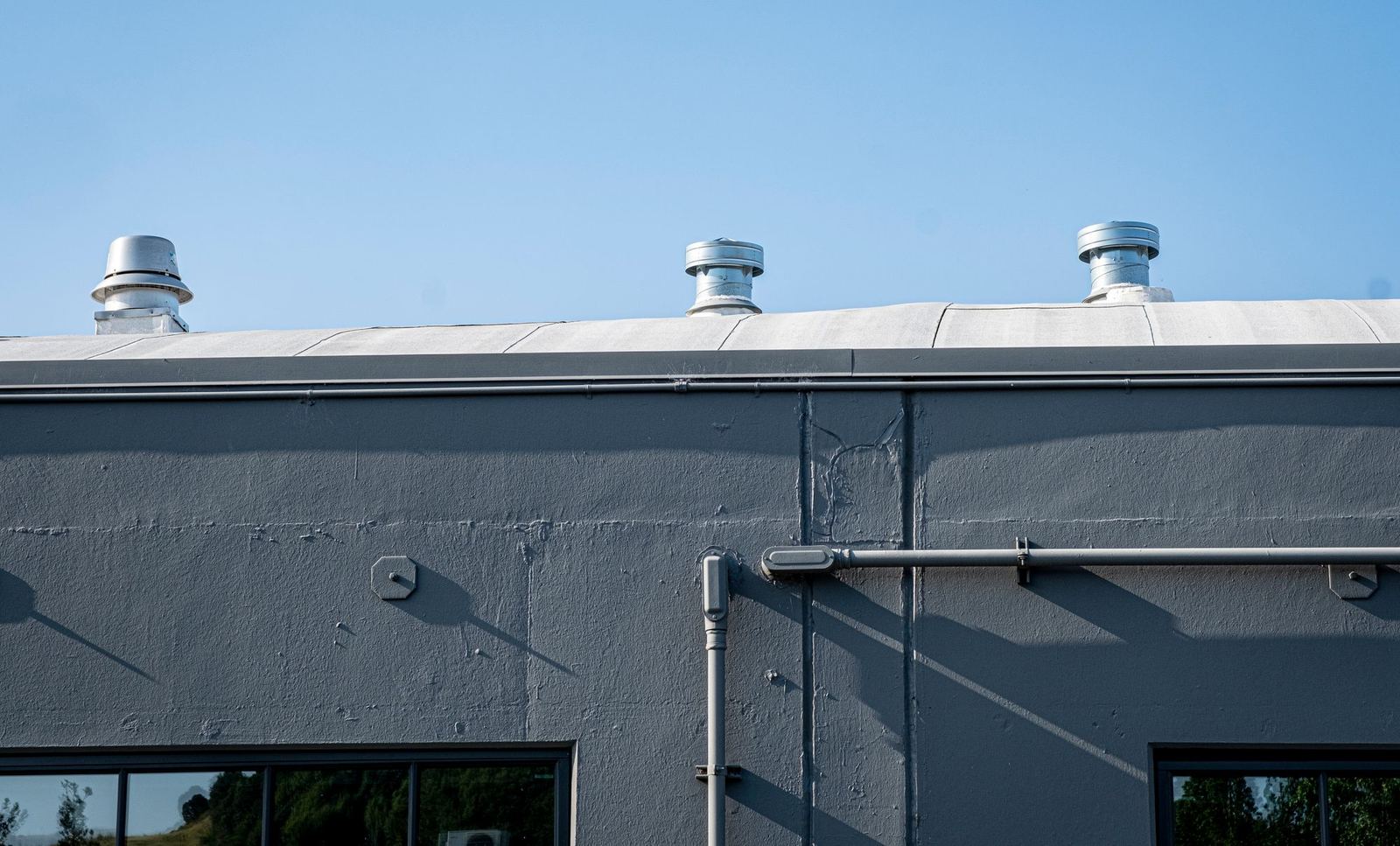
Exhaust vents on the roof of a commercial building

Sub-Slab Depressurization and Vapor Barriers That Work

Your building's construction determines the design:

  • Slab: sub-slab depressurization that reverses the pressure that drives vapors up indoors
  • Crawl space or dirt floor: a sealed membrane with sub-membrane suction
  • Active fans, not passive vents, maintaining suction year-round
  • Discharge above the roofline, away from windows and air intakes
Person reviewing a printed report

Vapor Intrusion in Real Estate and Environmental Reports

A vapor intrusion concern flagged in a Phase I or Phase II environmental site assessment can hold up your closing until it's addressed:
  • We install the system a report calls for, on the deal's timeline
  • Documentation for your lender, buyer, or consultant
  • Coordination with your environmental consultant
  • Fast estimates so an open item doesn't stall closing
Old service station building with a fuel pump

Why Property Owners Trust Active Radon Mitigation

Standards and proof matter for the system protecting your building's air:

  • Installed to ANSI/AARST soil gas mitigation standards, which cover both radon and chemical vapors
  • Locally owned, licensed, insured
  • Every system verified at installation with sub-slab pressure testing
  • Local knowledge of Middle Tennessee soils and building stock

See our customer reviews and the EPA-recognized standards of practice

From Assessment to a Working System

1

We review your report or concern and assess the building

2

We design a tailored system for your specific building

3

We install, usually with minimal disruption

4

We verify proper suction across the building and coordinate follow-up indoor air sampling with your consultant

Areas We Serve, Including Surrounding States

Our home base is Nashville and Middle Tennessee, and we take on commercial vapor intrusion projects in the surrounding states.
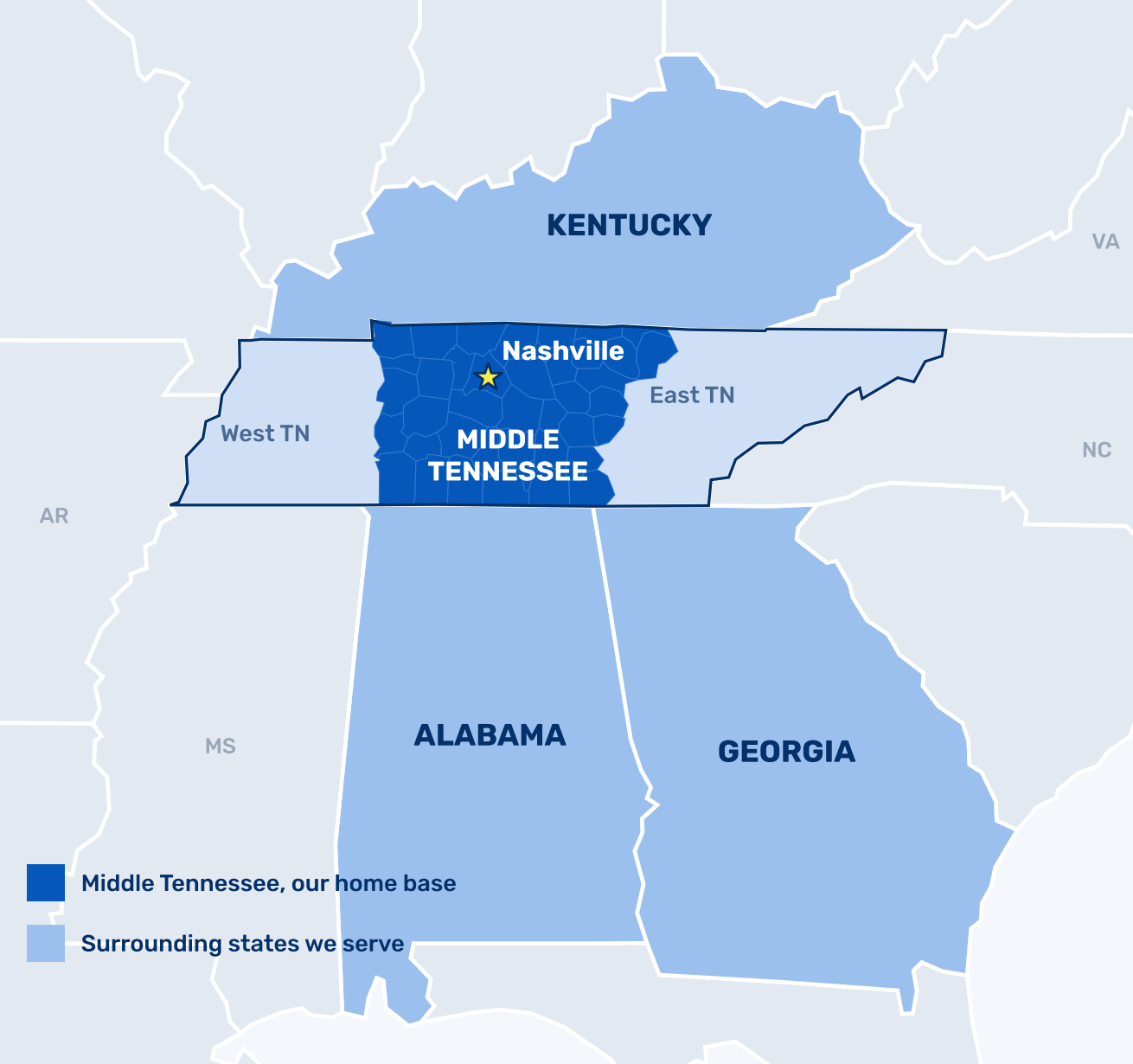
Nashville and all of Middle TennesseeKentuckyAlabamaGeorgia
Map of Middle Tennessee and the surrounding states Active Radon serves

Middle Tennessee is our home base, with commercial projects in Kentucky, Alabama and Georgia.
Frequently Asked Questions

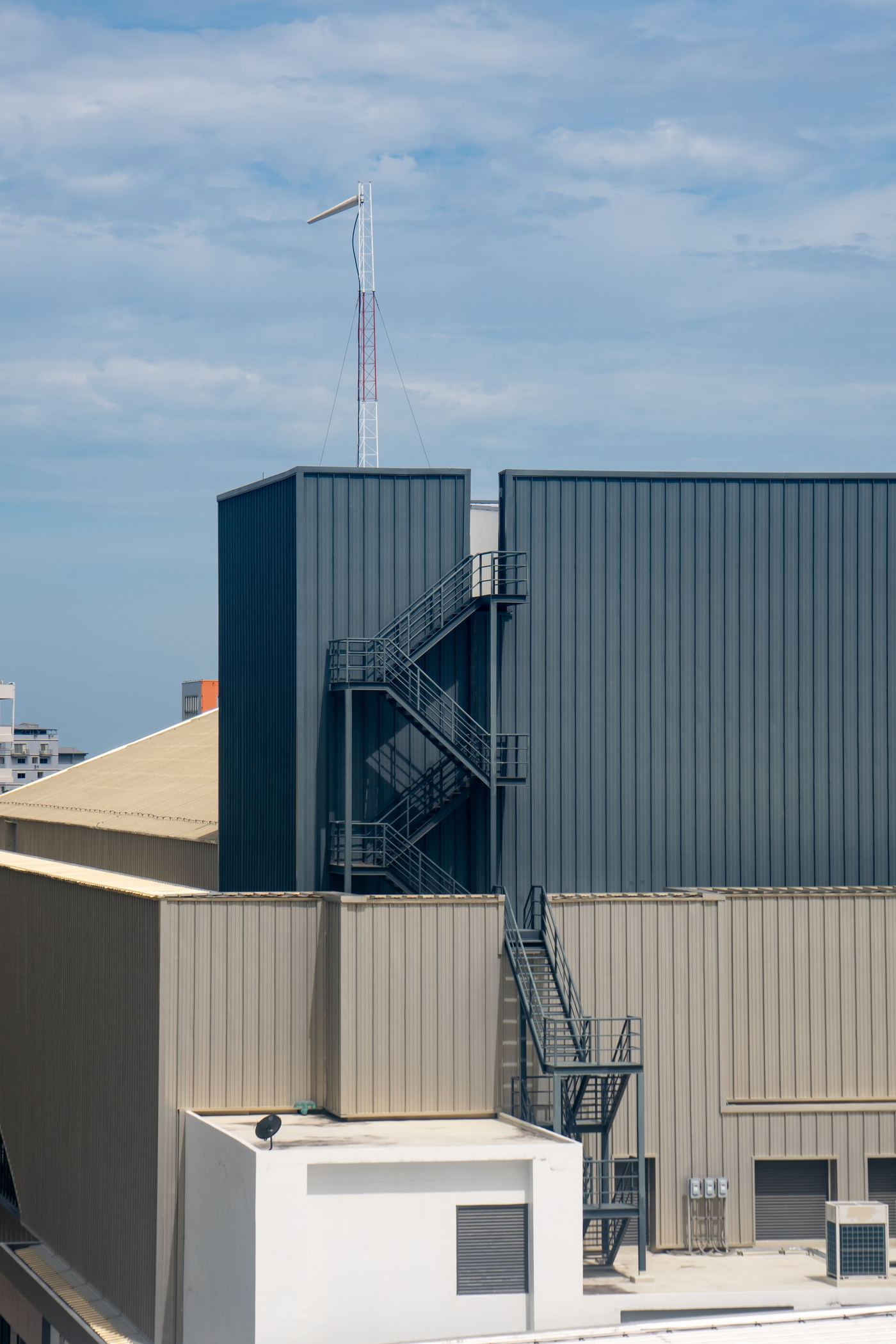
Commercial building with rooftop equipment
Get a free assessment: (615) 260-6123(615) 260-6123
What is vapor intrusion?

Vapor intrusion happens when vapors from contaminated soil or groundwater migrate up through a foundation into indoor air, using the same pathway as radon.

Is vapor intrusion the same as radon?

Not exactly. Radon is a naturally occurring soil gas, while vapor intrusion usually refers to chemical vapors, such as VOCs, from nearby contamination. They enter buildings the same way, so the fix is often similar.

How is vapor intrusion fixed?

Most often with sub-slab depressurization or sealed vapor barriers with suction, which vent soil gas outside before it can enter. Well-designed systems can reduce indoor vapor levels by 90% or more.

Does it affect homes or only commercial buildings?

Both. Homes near former industrial sites, dry cleaners, gas stations, or landfills can be affected alongside radon.

How do I know if I have it?

It's often first flagged in a Phase I environmental site assessment, then confirmed by testing indoor air and sub-slab soil gas, typically in a Phase II assessment.

Will it hold up a real estate deal?

It can, until it's addressed. We install on the deal's timeline with documentation for your lender or consultant.

Do you confirm the system works?

Yes. We verify proper suction across the building at installation and coordinate follow-up indoor air sampling with your consultant. Active systems are built to run, and be monitored, over the long term.